

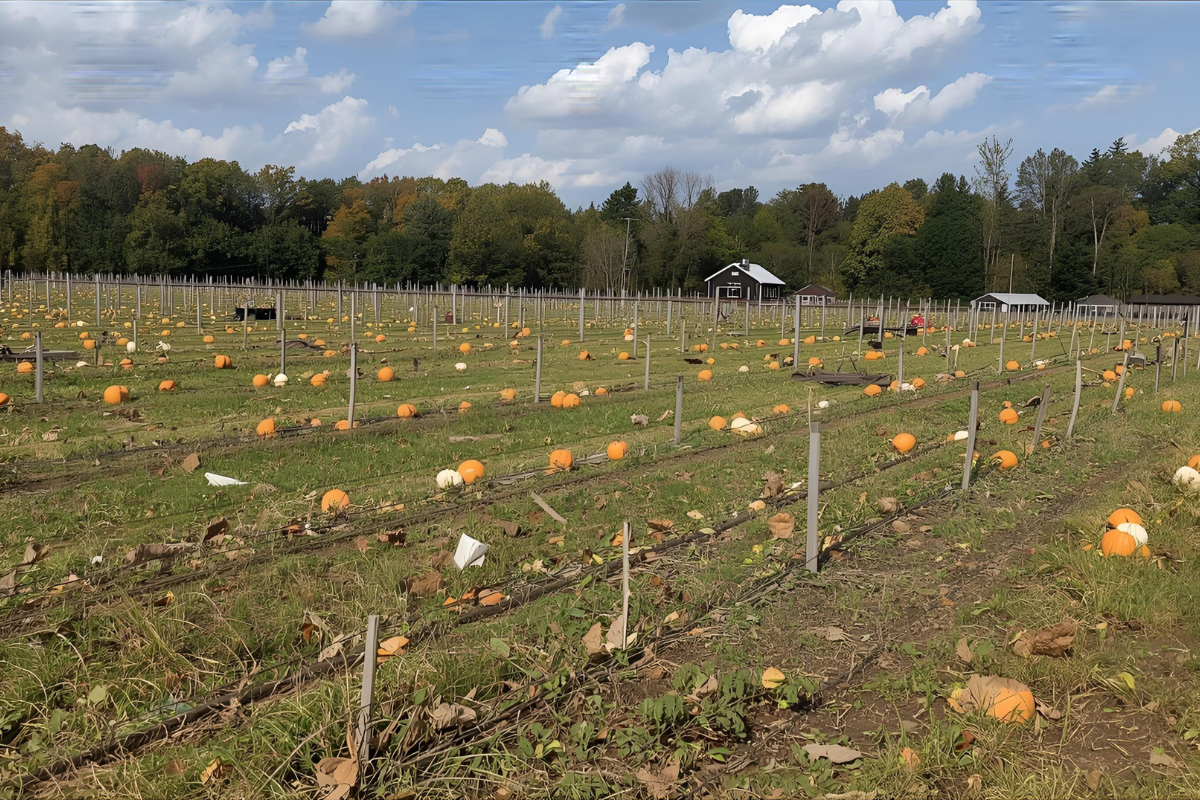
New York’s fall season brings a rush of visitors to farms offering fun activities like corn mazes, hayrides, and U-pick apples. These businesses, often called agritainment or agritourism, provide great income but also come with unique risks. Making sure your business is properly insured is the best way to protect your farm, your customers, and your future.
- Key takeaways:
- What is the most common insurance claim for agritourism businesses?
- Why is General Liability Coverage So Important?
- Do I need Workers' Compensation for my seasonal employees in New York?
- What Does Workers' Compensation Cover?
- What is the Deal with Seasonal Employees?
- How much does Farm Property Insurance cost for an agritainment business?
- What Factors Change the Cost?
- What Does Farm Property Insurance Cover?
- Frequently Asked Questions (FAQs) for NY Agritainment Insurance
- Does my regular homeowner’s policy cover my agritainment activities?
- What is "Products Liability," and do I really need it?
- What happens if an employee is injured and I don't have Workers' Compensation?
- Are corn mazes and hayrides automatically covered under a basic farm policy?
- When is the riskiest time of year for my agritainment business?
- Conclusion
- Ready to secure your New York agritainment business?
Key takeaways:
- General Liability is the #1 Protection: The most common insurance claims for agritainment businesses are visitor injuries (bodily harm), such as slips, trips, falls, or animal-related incidents. Your General Liability policy is essential for covering associated medical bills and legal defense costs [^1.1, 1.3].
- Workers’ Compensation is Mandatory: New York State law requires all employers, including agritainment operations, to carry Workers’ Compensation insurance for all employees, even those hired seasonally for the fall rush. This is non-negotiable and failure to comply can lead to severe penalties and personal liability for medical costs [^4.1, 4.3].
- Farm Property Needs Special Coverage: Standard homeowner’s policies do not cover commercial farm activities. You need specialized Farm Property Insurance to cover structures like barns, retail shops, and expensive equipment (tractors, hay wagons) against perils like fire or severe weather [^1.4, 5.2].
- Product Liability is Key for Sales: If you sell food or products (cider, jams, baked goods) to the public, you need Product Liability coverage (often part of General Liability). This protects you if a customer claims they became ill from something they purchased from your farm [^1.2, 1.3].
- Agritainment Activities Require Endorsements: High-risk activities like corn mazes, hayrides, and petting zoos are generally not automatically covered under a basic farm policy. You must notify your insurance agent and get a specific agritourism endorsement to ensure these attractions are protected under your liability coverage [^1.2].
- Loss of Income Coverage is Vital for Seasonal Businesses: Since the fall season drives most of your revenue, consider adding Loss of Income coverage. If a fire or covered event forces you to shut down your business during your busiest month, this insurance can replace the profits you lose [^1.2].
Actionable Takeaway: Because agritainment risks are complex and standard policies fall short, it is critical to partner with an insurance specialist to review your unique fall operations.
What is the most common insurance claim for agritourism businesses?
The most common insurance claim for agritourism businesses is typically for visitor injuries and bodily harm that happens on the farm. Bringing hundreds of customers onto your property for activities like hayrides or petting zoos naturally increases the chance of accidents. Common incidents that lead to costly claims and lawsuits include a customer slipping on wet concrete at a farm stand, tripping over uneven ground in a field, or being injured by an animal, such as a “friendly” goat [^1.1, 1.3].
Why is General Liability Coverage So Important?
General Liability insurance is the main protection for these visitor-related accidents. It helps cover the costs if a guest is injured while on your property and your business is found responsible.
- Covers Medical Bills: If a child falls off a hay bale and breaks an arm, this coverage can pay for the emergency room visit and medical treatment.
- Covers Legal Defense: If a guest sues you, this policy can pay for your legal defense, including lawyer fees and court costs, which can add up very quickly [^1.2].
- Covers Product Liability: If you sell products like fresh cider, jams, or baked goods, this part of the coverage protects you if a customer gets sick from something they bought (e.g., foodborne illness) [^1.2, 1.3].
Hypothetical Example: Imagine a customer trips over a misplaced safety cone near your corn maze entrance, leading to a serious fall. General Liability coverage would step in to handle the medical and legal costs that might result from the claim.
Do I need Workers’ Compensation for my seasonal employees in New York?
Yes, you do need Workers’ Compensation insurance for virtually all of your employees in New York, including the seasonal workers you hire just for the busy fall season [^4.3]. The law in New York is very clear: all employers must provide Workers’ Compensation coverage for their employees, regardless of the size of the payroll [^4.3].
What Does Workers’ Compensation Cover?
This coverage protects your workers and your business if an employee gets sick or injured while working on the job.
- Medical Care: It pays for all necessary medical services to treat the injury or illness, such as hospital bills and rehabilitation [^4.1].
- Lost Wages: It provides temporary payments to the employee to help replace the wages they lose if they can’t work due to the injury [^4.1, 4.3].
- Protects Your Business: Workers’ Comp protects you, the employer, from being sued by an injured employee in most situations [^4.3].
What is the Deal with Seasonal Employees?
Many agritainment businesses rely on seasonal help for their busiest time. New York law treats these temporary workers the same as permanent employees when it comes to Workers’ Compensation eligibility [^4.1]. You are required to have this coverage even if an employee is only with you for a few weekends [^4.3].
- In fact, one study showed that more than half of agritourism operators (54%) reported not being fully staffed, and many rely on temporary or part-time help [^2.3].
- The overall agricultural sector has a higher rate of injuries compared to the average for all private sector workers, making this coverage essential for worker safety and business protection [^3.2, 3.3].
Important Note for Farm Labor Contractors (FLCs): If you use a Farm Labor Contractor to supply workers, those workers are legally considered your employees for Workers’ Compensation purposes. It is your responsibility, the farm owner, to secure their coverage [^4.2].
How much does Farm Property Insurance cost for an agritainment business?
The cost of Farm Property insurance is not a one-size-fits-all number and can vary widely based on your specific operation, but there are some general ranges [^5.1, 5.3]. A small farm package in general could cost around $1,500 a year, while a larger operation with many buildings and equipment could cost significantly more, sometimes upwards of $5,000 or even $30,000 annually [^5.1, 5.3].
What Factors Change the Cost?
Your premium is determined by the value of what you need to protect and the risks your business faces.
- Size of the Farm (Acreage): Larger farms usually have higher premiums because there is more property to cover. For example, a farm with less than 100 acres may pay between $2,000 and $3,000 per year for insurance, while a farm with more than 1,500 acres may pay well over $5,000 per year [^5.1].
- Property Value: This covers your main farmhouse, barns, sheds, and any buildings used for your agritainment activities, like a cider donut shop or a ticketing booth.
- Equipment and Inventory: Farm insurance protects expensive farm personal property like tractors (which can cost over $200,000), hay wagons, and retail inventory such as pumpkins and apples [^1.2, 5.2, 5.4].
- Agritainment Activities: Offering extra services like a petting zoo, wedding venue, or complicated corn mazes adds to your overall risk, which can increase your property and liability rates [^5.1].
What Does Farm Property Insurance Cover?
Farm Property insurance protects the physical assets of your business against sudden and accidental loss from things like fire, severe wind or hail, or theft [^1.2, 1.4].
- Dwelling and Structures: Your home and all farm buildings (barns, silos, retail stores).
- Farm Personal Property: Tools, equipment, tractors, and inventory you are storing (like bags of flour for baking or grain).
- Loss of Income (Optional but Recommended): This is a key coverage for seasonal businesses. If a covered peril (like a fire) forces you to close your cider mill for a month during peak season, this coverage can replace the income you lose [^1.2].
Hypothetical Example: A strong windstorm damages the large barn that houses your farm market and cash registers. Property insurance covers the cost to repair the barn and replace the damaged equipment and inventory. If you have “Loss of Income” coverage, it can also replace the profit you lose while you have to stay closed.
Frequently Asked Questions (FAQs) for NY Agritainment Insurance
Does my regular homeowner’s policy cover my agritainment activities?
No, probably not. A standard homeowner’s insurance policy is designed for personal living and usually has very low limits or excludes coverage for business activities, especially those involving the public [^5.2]. Once you start inviting the public onto your farm for U-pick or a fall festival, you have a commercial exposure that requires a specific Farmowner’s Policy or a specialized commercial package policy [^1.4].
What is “Products Liability,” and do I really need it?
Yes, you absolutely need it if you sell any food or products to the public. Products Liability covers you if a product you grow or sell causes injury or illness to a customer [^1.2]. This is crucial for selling things like apples, cider, homemade pies, or fresh eggs. If a customer claims they got food poisoning from your apple cider, this coverage helps pay for their medical costs and any resulting lawsuit [^1.3].
What happens if an employee is injured and I don’t have Workers’ Compensation?
If an employee is injured on the job in New York and you do not have the legally required Workers’ Compensation coverage, your business could face severe penalties, including fines, and you would be responsible for paying the employee’s medical bills and lost wages out of your own pocket [^4.3]. The State of New York requires this coverage for all employees [^4.3].
Are corn mazes and hayrides automatically covered under a basic farm policy?
They are not always covered by a basic policy. Agritainment activities like corn mazes, petting zoos, and hayrides are considered a higher risk and typically need a special agritourism endorsement or a dedicated policy to ensure they are fully covered under your General Liability [^1.2, 1.3]. It’s important to tell your agent exactly all the activities you offer.
When is the riskiest time of year for my agritainment business?
Data suggests that most agricultural-related injuries tend to happen from April through September [^3.3]. However, the fall season for agritainment (pumpkin patches, cider mills) is when you have the highest volume of public visitors. More visitors mean more foot traffic and a higher chance for common slip-and-fall injuries, making the fall a period of peak liability exposure [^1.1].
Conclusion
For New York’s farm owners, the busy fall agritainment season is a chance for strong profits, but it also carries significant risks that could threaten your operation. From the possibility of a serious visitor injury claim to the legal necessity of protecting your seasonal staff with Workers’ Compensation, having the right insurance is the foundation of a successful business.
Don’t leave the future of your pumpkin patch, U-pick farm, or cider mill to chance. The time to review and update your coverage is before the first customer steps onto your property this fall.
Ready to secure your New York agritainment business?
Contact the local experts at MKR Specialty Insurance today for a specialized review of your farm. We can help you build an insurance plan that protects your valuable property, covers your unique public liability risks, and ensures you are fully compliant with New York’s Workers’ Compensation laws.
Call MKR Specialty Insurance at [Insert Hypothetical Phone Number Here] or visit us online to get a quote!
