

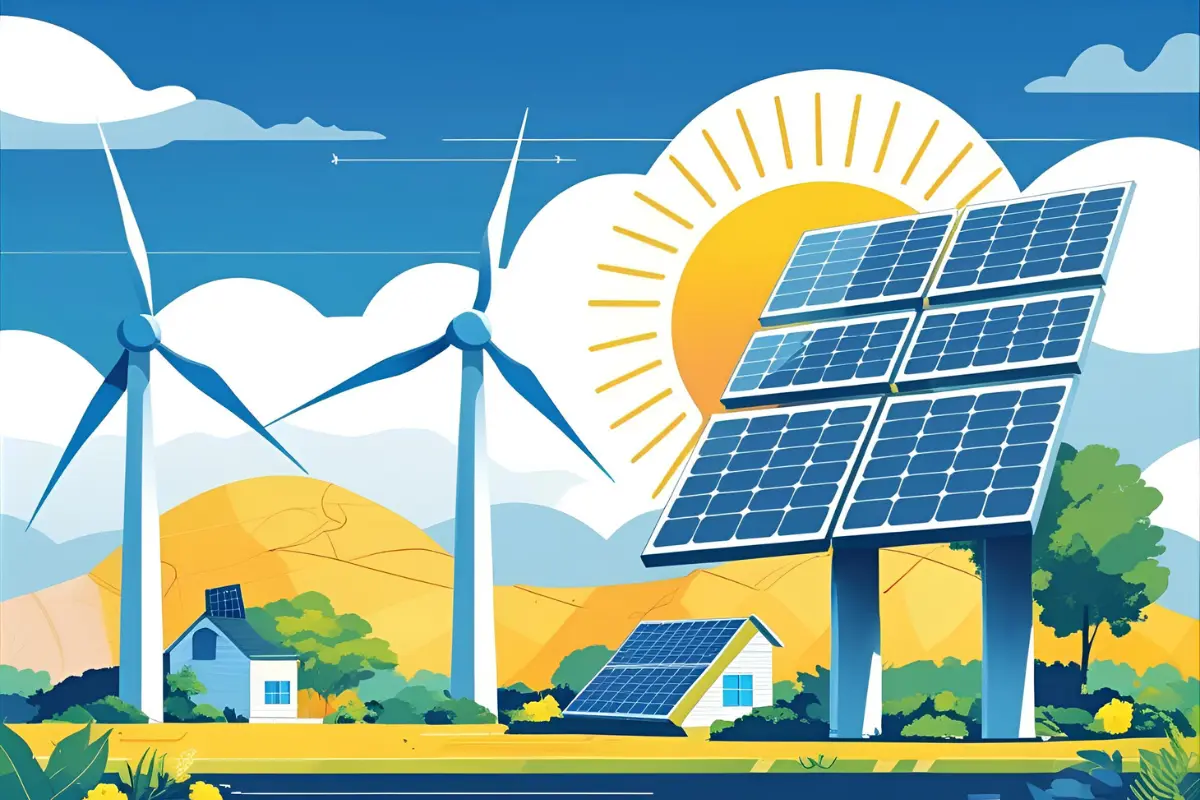
New York is on a clear path toward a sustainable future, with ambitious climate goals driving significant investment in solar and wind energy. From large-scale solar farms in upstate New York to the development of offshore wind projects off the coast of Long Island, these innovative businesses are harnessing the power of nature to meet the state’s energy needs. However, the very elements that power these projects—the sun and the wind—also pose some of their most significant risks. The complex technology, large-scale infrastructure, and unique environmental exposures of the renewable energy sector demand a specialized approach to insurance that goes far beyond standard commercial policies.
At MKR Specialty Insurance, located in New York, we are at the forefront of this green revolution. We partner with solar and wind energy developers, operators, and contractors to build bespoke insurance programs that address the specific vulnerabilities of their industry. This article will explore three critical areas of insurance for renewable energy businesses: equipment breakdown, construction risks, and environmental liability, providing key insights and answering common questions.
- The Heart of the Operation: Equipment Breakdown
- Common Questions about Equipment Breakdown:
- Building the Future: Construction All Risks
- Common Questions about Construction Risks:
- The Green Aspect's Gray Area: Environmental Liability
- Common Questions about Environmental Liability:
- Partnering with MKR Specialty Insurance
The Heart of the Operation: Equipment Breakdown
The financial viability of a solar or wind energy project hinges on the continuous, reliable operation of its equipment. A single equipment failure—from a malfunctioning solar inverter to a damaged wind turbine gearbox—can halt power generation, leading to significant financial losses. While standard commercial property insurance covers damage from external perils like fire or severe weather, it typically excludes breakdowns caused by internal mechanical or electrical failure.
What does it cover? Equipment Breakdown Insurance is a specialized policy designed to protect against these internal failures. Insurance for solar and wind businesses, it provides coverage for:
- Repair or Replacement Costs: A wind turbine can cost millions of dollars, with offshore models reaching $15 million or more per megawatt (Weather Guard Lightning Tech). A specialized policy can cover the repair or replacement of critical components like gearboxes, generators, and blades. For solar, this extends to inverters, transformers, and electrical systems.
- Business Interruption: A breakdown can stop power generation. This coverage replaces the income lost from electricity sales during the downtime. Given the long lead times for specialized replacement parts, this coverage is vital for maintaining a project’s financial stability.
- Spoilage: For energy storage facilities (like battery systems), a breakdown of cooling systems could lead to the spoilage or damage of valuable assets. This coverage protects against that financial loss.
- Extra Expenses: It can also cover the costs incurred to expedite repairs or restore operations, such as paying for expedited shipping or temporary equipment rentals.
Statistics and Risk: While wind turbine blade failures are rare (NREL), other component failures are a known risk. Industry data shows that mechanical and electrical failures are major drivers of insurance claims in the renewable energy sector. For solar installations, equipment failures are a primary cause of high labor costs for maintenance and repair (EcoFlow).
Common Questions about Equipment Breakdown:
- “Is my equipment covered by a warranty?” Manufacturer warranties are essential but they have limitations. They often don’t cover the business interruption costs, expediting fees, or damage to other connected equipment. Equipment Breakdown Insurance fills these gaps.
- “Does my policy cover damage from a lightning strike?” A standard Commercial Property policy would typically cover direct physical damage from a lightning strike. However, it may not cover a subsequent mechanical or electrical failure caused by the strike (e.g., a power surge), which is where Equipment Breakdown coverage becomes crucial.
Building the Future: Construction All Risks
The construction phase of a renewable energy project is a period of intense risk. The sheer scale of these projects—from the transport of massive wind turbine blades to the installation of thousands of solar panels—creates numerous opportunities for accidents, delays, and damage.
What does it cover? Construction All Risks (CAR) Insurance, often coupled with a Delay in Start-Up (DSU) policy, is the cornerstone of protection during the project’s build phase. This comprehensive policy covers a broad range of risks, including:
- Physical Damage to the Project: Protects against damage to the structures themselves, as well as to materials and equipment on-site, from perils like fire, theft, vandalism, and natural disasters. A storm that damages an under-construction solar array or a crane collapse on a wind farm would be covered.
- Transit Risk: Covers damage to valuable components (e.g., solar panels, turbine nacelles) while being transported to the construction site.
- Delay in Start-Up (DSU): If a covered peril causes damage that delays the project’s completion, this policy provides coverage for the loss of income that would have been generated from electricity sales during the delay.
- Contractor Errors and Defects: Industry data from GCube Insurance shows that contractor errors and defects are a leading cause of offshore wind losses, accounting for 63% of claims by frequency. This highlights the need for a robust policy that can address such human-related risks.
- Natural Catastrophes: According to the same GCube report, natural catastrophes and extreme weather account for 48% of onshore (wind and solar) construction losses by severity, with flooding and heavy rainfall being the costliest events.
Common Questions about Construction Risks:
- “What happens if our project is delayed because of bad weather?” Standard CAR policies might not cover delays due to weather conditions that don’t cause direct physical damage. However, specialized DSU policies or parametric insurance solutions can be structured to pay out when weather conditions (e.g., high winds for offshore wind projects) reach certain thresholds that impede operations, providing a financial hedge against such delays.
- “Do my contractors need their own insurance?” Yes. All contractors, subcontractors, and vendors on-site should carry their own General Liability and Workers’ Compensation insurance. Your CAR policy provides an overarching layer of protection for the project itself.
The Green Aspect’s Gray Area: Environmental Liability
While solar and wind energy are inherently “clean,” their construction and operation still carry environmental risks that can lead to legal and financial liabilities. These exposures often go beyond what a standard General Liability policy covers.
What does it cover? Environmental Liability Insurance is a specialized policy that protects against claims and costs arising from pollution and environmental damage. For solar and wind projects in New York, this could include:
- Spills and Contamination: Covers costs associated with cleaning up spills of fuels, lubricants, or transformer oils from equipment, which can contaminate soil and groundwater.
- Habitat Disruption: Large-scale projects can impact local ecosystems and habitats. New York State’s environmental review processes (such as SEQR) and regulations from bodies like the Office of Renewable Energy Siting and Electric Transmission (ORES) require developers to mitigate these impacts. A policy can cover legal defense costs if you are sued for a perceived failure to do so.
- Decommissioning Costs: At the end of a project’s lifespan, there are obligations to decommission the facility and restore the land to its original condition. Many leases require a financial guarantee for these costs. A policy can help cover these expenses if the original financial provisions are insufficient.
Why is it important? Environmental liability can be a major source of risk. For example, wind turbines pose a known risk to bird and bat populations, and solar farms can impact local ecosystems. Legal challenges from environmental groups or local communities over these impacts are a real possibility. A specialized policy helps manage these risks and provides the financial backing to comply with regulatory requirements.
Common Questions about Environmental Liability:
- “Doesn’t my General Liability policy cover this?” No. Most CGL policies contain a broad “pollution exclusion” that severely limits coverage for environmental incidents. Environmental Liability Insurance is specifically designed to fill this gap.
- “What about regulations in New York?” New York has specific laws and agencies governing renewable energy projects, such as the Office of Renewable Energy Siting and Electric Transmission (ORES), which consolidates environmental review. It is crucial to work with an insurer who understands these local regulations to ensure your policy is compliant and comprehensive. [Source: NYS Department of Public Service]
Partnering with MKR Specialty Insurance
The renewable energy sector in New York is an exciting frontier, but it is one that must be navigated with a clear understanding of its inherent risks. Generic insurance solutions are not equipped to handle the unique challenges of equipment breakdown, complex construction risks, and evolving environmental liabilities. At MKR Specialty Insurance, we are dedicated to supporting New York’s green energy leaders. Our expertise allows us to craft tailored insurance programs that provide the robust protection your solar or wind project needs to operate safely and profitably. Don’t let a single unforeseen event jeopardize your investment. Contact us today for a consultation, and let us help you build a secure foundation for a sustainable future.
