


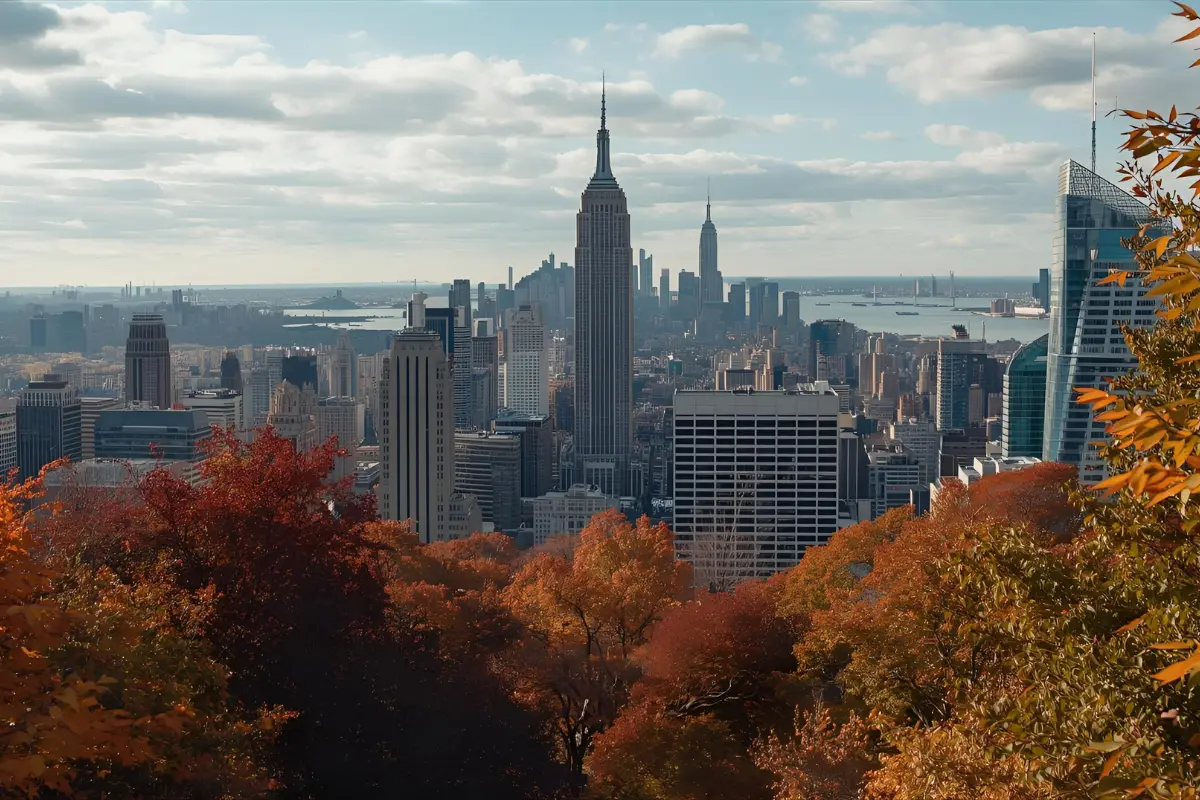
As the vibrant foliage blankets New York, the leadership of community associations—Homeowners Associations (HOAs), condominiums, and co-ops—turn their focus to two major responsibilities: preparing the common areas for the harsh winter ahead and managing the liability risks associated with festive fall gatherings. These dual concerns require a proactive, specialized approach to insurance, extending far beyond basic property coverage.
At MKR Specialty Insurance, located in New York, we recognize that associations are constantly navigating a complex legal and physical landscape. Your goal is to foster a vibrant community; our goal is to protect the volunteers and the assets that make that community possible. This article outlines the essential insurance checklist for the fall season, focusing on preventing winter property damage, managing event liability, and safeguarding the board with Directors & Officers (D&O) coverage.
- Part I: Preparing for Winter – Property Damage Prevention
- The Winter Claim Statistics 📊
- The HOA Fall Maintenance and Property Checklist:
- Part II: Fall Festivals and Frights – Managing Event Liability
- Part III: Protecting the Volunteers – Directors & Officers (D&O) Liability
- The Growing Threat of Fiduciary Lawsuits
- Frequently Asked Questions for New York HOAs
- Partnering with MKR Specialty Insurance
Part I: Preparing for Winter – Property Damage Prevention
The moment the last autumn leaf falls, New York communities must brace for winter. The cold weather, heavy snow, and ice pose a significant threat to common area properties. Failing to prepare not only leads to costly repairs but can also be construed as negligence, which may affect the outcome of a claim.
The Winter Claim Statistics 📊
Insurance claim data consistently shows that winter weather is a major cause of loss. According to industry statistics, water damage and freezing account for a significant percentage of all property damage claims, often ranking second only to wind and hail. On average, the cost of an insurance claim can be substantial, emphasizing the need for robust coverage and preventative maintenance. [Source: Insurance Information Institute, Homeowners Insurance Losses By Cause]
The HOA Fall Maintenance and Property Checklist:
- Water Damage and Frozen Pipes: This is the #1 winter property claim.
- Action: Drain and shut off water to all exterior faucets, sprinklers, and pool lines. Ensure exposed pipes in unheated areas (like laundry rooms or maintenance sheds) are insulated. Failing to take these reasonable steps can lead to claim denial.
- Coverage Check: Confirm your Commercial Property policy includes adequate coverage for sudden and accidental water damage from burst pipes. Consider Equipment Breakdown Insurance to cover damage to boilers, furnaces, and HVAC systems that fail due to mechanical or electrical issues.
- Ice Dams and Roof Damage: Snowmelt and refreeze can cause ice dams that force water under roofing, leading to interior damage to ceilings and walls in common area buildings.
- Action: Clean all common area gutters and downspouts of leaves and debris before the first snow. Inspect common area roofs for damaged or missing shingles.
- Coverage Check: Review your master policy to ensure it covers water damage due to ice damming. This is a common and costly claim in the Northeast.
- Trees and Wind Damage: Fall winds and the weight of ice and snow can bring down dead or weakened tree limbs.
- Action: Have professionals inspect and trim any large, dead, or diseased trees that overhang common buildings, fences, or high-traffic walkways.
- Coverage Check: Ensure your Commercial Property policy has sufficient limits to cover the cost of debris removal and damage to structures from falling trees.
Part II: Fall Festivals and Frights – Managing Event Liability
The fall season is a prime time for HOAs to host community-building events, such as fall festivals, harvest parties, or children’s Halloween celebrations. While these events are essential for community morale, they significantly increase the association’s General Liability exposure.
The Risk of Negligence and New York Law
In New York, property owners—including HOAs—have a duty to maintain common areas in a reasonably safe condition. This duty is amplified during a community event. If a guest or resident is injured, the association can be sued for negligence.
- Slip-and-Falls (The All-Season Threat): While winter brings icy risks, fall brings wet leaves, temporary event structures, and obscured uneven pavement. According to legal data, slip-and-fall claims are among the most frequent personal injury lawsuits against HOAs. [Source: General Insurance Industry Claim Trends]
- Host Liquor Liability: If the association hosts an event where alcohol is served (even if it’s “bring your own” or a cash bar), there is a liability risk for incidents caused by an intoxicated guest.
- Vendor/Attraction Liability: Hiring a petting zoo, bounce house, or food truck for a fall festival introduces third-party liability.
The Event Liability Checklist:
- Risk Mitigation: Ensure walkways are clear, temporary lighting is adequate for evening events, and any equipment (tents, hay bales) is safely secured. Have a clear, written safety plan for the event.
- Insurance Requirements: For any hired vendors (e.g., face painters, food trucks, bouncy house operators), demand a Certificate of Insurance (COI). Crucially, require the vendor to list the HOA as an “Additional Insured” on their General Liability policy. This ensures their insurance is the first to respond if a claim arises from their operation.
- Review Limits: If the event is larger than typical, consider purchasing a Special Event Liability policy to increase your coverage limits beyond your standard CGL master policy. This is essential for events with hundreds of attendees or specialized attractions.
Part III: Protecting the Volunteers – Directors & Officers (D&O) Liability
While property damage and slip-and-falls are physical risks, the most serious financial threat to an HOA often comes from Directors & Officers (D&O) Liability. Fall is a typical season for annual meetings, budget approvals, and elections, all of which can lead to disputes and lawsuits from members who disagree with the board’s fiduciary decisions.
The Growing Threat of Fiduciary Lawsuits
Volunteer board members can be held personally liable for “wrongful acts” committed in their capacity as a director. Lawsuits targeting the board itself are becoming more common. Common D&O claims include:
- Mismanagement of Funds: Disagreements over a new budget or the handling of a large reserve fund can lead to claims of financial mismanagement.
- Breach of Fiduciary Duty: Claims that the board failed to act in the community’s best interest (e.g., neglecting to purchase adequate insurance or failing to hire a contractor to fix a known safety hazard).
- Discrimination and Fair Housing Violations: Claims related to the enforcement of bylaws or denying a resident’s request for accommodation.
A D&O policy covers the defense costs for the board members, which can quickly climb into the hundreds of thousands of dollars, even if the lawsuit is ultimately dismissed. 48.3% of claims against community associations involve legal defense fees committed by board members themselves, underscoring the vital need for this specialized protection. [Source: The Cline Agency, “Crime on the Rise – Safeguarding Your Association From Dishonest Members”]
Frequently Asked Questions for New York HOAs
Does New York State law protect volunteer board members from liability?
New York’s Not-For-Profit Corporation Law offers limited protection for volunteer directors acting in good faith. However, this protection has significant exceptions and does not cover claims of gross negligence, willful misconduct, or certain legal defense costs. D&O insurance provides a comprehensive legal defense that state law alone cannot guarantee.
What is a “loss assessment” and how can unit owners protect themselves?
A loss assessment occurs when a major common area claim (like a severe fire or hurricane damage) exceeds the association’s Master Property Policy limits. The remaining balance is then divided among all unit owners as a special assessment. Individual homeowners should purchase HO-6 (Condo) or Homeowners (HOA) coverage with a Loss Assessment endorsement to protect against this special charge.
If an HOA hires a professional snow removal contractor, is the HOA still liable for slip-and-falls?
Yes, the HOA can still be held vicariously liable under the concept of negligence. New York law requires property owners to take reasonable steps to clear snow and ice. While a contractor can handle the labor, the HOA board remains ultimately responsible for ensuring the job is done timely and effectively. The contractor’s insurance should be the first line of defense, but your HOA’s General Liability policy is the necessary backup.
Why do we need General Liability when we already have D&O?
General Liability (CGL) covers bodily injury and property damage to third parties (like a slip-and-fall). Directors & Officers (D&O) covers financial loss and legal fees arising from the board’s managerial decisions (like a breach of fiduciary duty). They cover entirely different categories of risk and both are absolutely essential for a community association.
Partnering with MKR Specialty Insurance
A specialized insurance partner is not a luxury, but a necessity for community associations in New York. We understand the specific risks you face and have the expertise to build a custom-tailored insurance program that protects your business, your reputation, and your peace of mind. Don’t leave your next event or the coming winter to chance. Contact MKR Specialty Insurance today for a personalized consultation and let us help you build a robust safety net so you can focus on what you do best: fostering a vibrant and secure community.
