


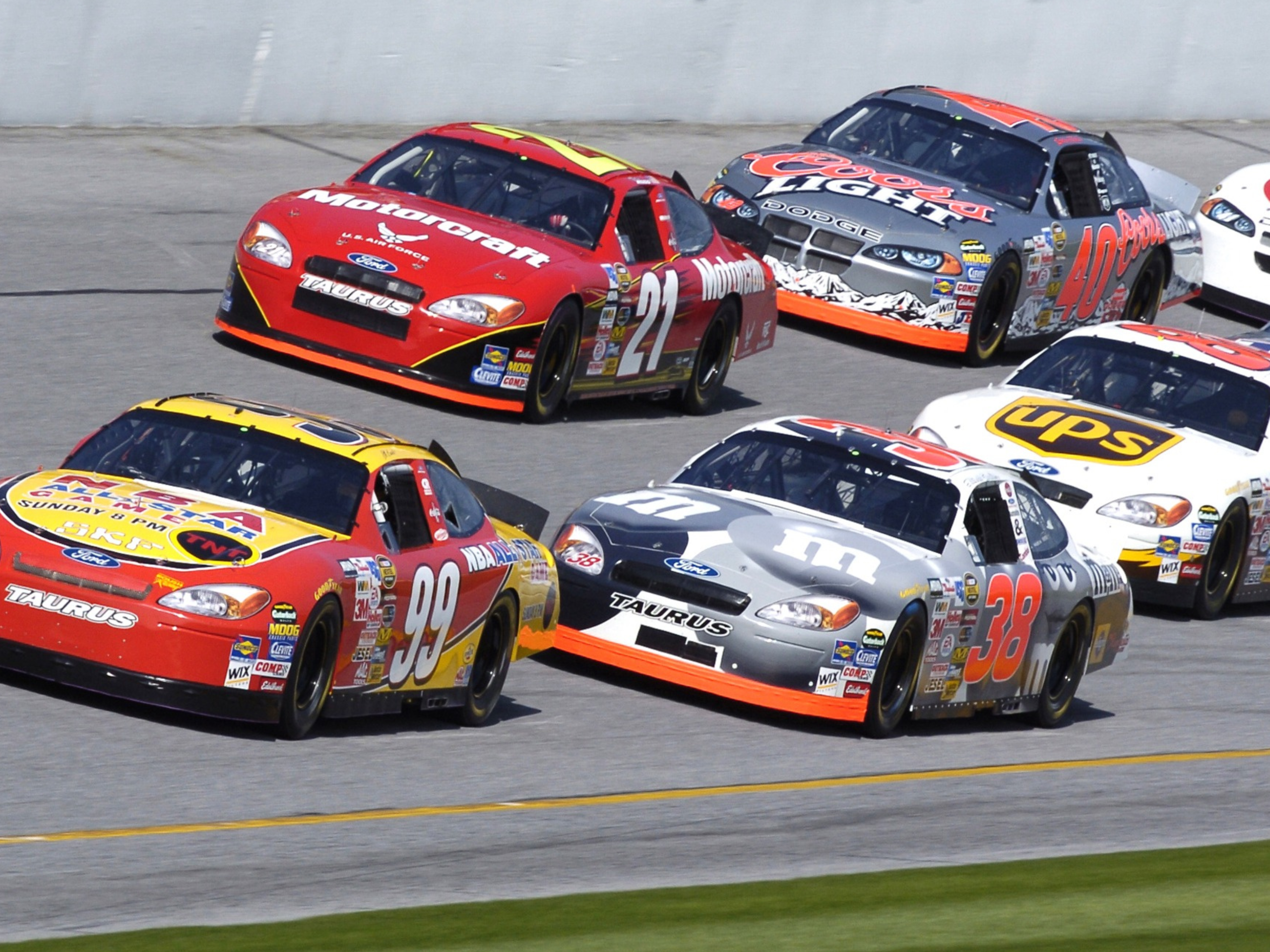
As New York’s motor racing industry roars back to life, from the legendary track at Watkins Glen to the smaller speedways across the state, a world of exhilarating risk comes with it. The fast-paced, high-stakes nature of motorsports requires a specialized approach to insurance that standard business policies simply can’t provide. At MKR Specialty Insurance, located in New York, we’ve dedicated ourselves to understanding the intricate insurance needs of race tracks, racing associations, and event promoters. We are your pit crew, providing the comprehensive coverage you need to operate with confidence. This article will explore three critical areas of risk: spectator liability, event cancellation, and property damage, and highlight why tailored insurance is your most vital asset.
Spectator Liability: The First Line of Defense ????
Motorsports events are a magnet for passionate fans, but where there are large crowds and high speeds, there is an inherent risk of injury. A flying piece of debris, a slip and fall in the grandstands, or a vehicle leaving the track can lead to catastrophic consequences. As a race track owner or event promoter, your legal and financial exposure is immense. A well-crafted Commercial General Liability (CGL) policy is the cornerstone of your protection.
What Does It Cover?
A specialty CGL policy for motor racing is designed to cover a broad range of third-party liability claims.
- Bodily Injury to Spectators: This is the most significant risk. It covers legal defense costs, settlements, and judgments if a spectator is injured on your property. This can include injuries from a slip on a wet floor, a fall from the stands, or an incident involving a vehicle. While many tickets have a liability waiver printed on the back, these waivers do not provide absolute immunity and can be challenged in court, particularly in cases of gross negligence.
- Property Damage to Third Parties: This coverage protects against claims for damage to a spectator’s or a neighbor’s property caused by your operations or an incident on the track. For example, if a race car leaves the track and damages a spectator’s vehicle in the parking lot or a neighboring building, this policy would come into play.
- Host Liquor Liability: If you sell or serve alcohol on your premises, this is a non-negotiable coverage. New York’s Dram Shop Act can hold you liable for damages caused by an intoxicated patron who was overserved at your facility, including drunk driving accidents after they leave.
- Medical Payments: This is a no-fault coverage that provides a limited amount of money to cover a spectator’s minor medical bills from an injury on your premises, regardless of who was at fault. Offering this can often prevent minor incidents from escalating into costly lawsuits.
Why is it important?
Motor racing is considered an ultrahazardous activity by law in many jurisdictions. This can make it easier for a plaintiff to prove negligence. The severity of potential injuries, coupled with the high costs of litigation in New York, means a single, large lawsuit could bankrupt an uninsured track. According to a case study on motor racing liability, a single incident at a NASCAR race in 2013 led to 14 spectator injuries when a car part flew into the stands. While race organizers have robust safety protocols, the possibility of unforeseen accidents remains. [Source: Paul B. Genet P.A., “Spectator Sports can be Dangerous”]
When the Weather Turns: Event Cancellation Insurance ⛈️
The success of a motor racing event is highly dependent on a number of factors outside of your control. From the weather to an unforeseen disaster, a cancelled event can mean losing millions in ticket sales, concessions, sponsorships, and broadcasting revenue. Without a dedicated policy, these financial losses can be a devastating blow to your business.
What Does It Cover?
Event Cancellation Insurance for a motor racing track or association is designed to protect your financial investment. It is not a standard policy but a specialized one that covers the lost income and incurred expenses when a scheduled race or event must be postponed or cancelled due to covered perils. These can include:
- Adverse Weather: This is a top-tier risk. A torrential downpour, a severe thunderstorm, or a sudden tornado warning can make a track unsafe for both drivers and spectators. While a racing track’s financial health is dependent on a race happening, weather is a variable that is often out of our control.
- Catastrophic Track Damage: If a fire, flood, or a major collision renders the track or a critical structure (like the grandstands or pit garages) unusable, this policy would cover the financial loss from the cancellation.
- Civil Authority: If a local or state authority orders the event to be shut down due to a state of emergency, a credible security threat, or a local disaster, the policy would be triggered.
- Non-Appearance of Key Participants: In some specialized policies, coverage can be added for the non-appearance of a key driver or team if it is due to a covered reason, such as illness or a travel delay, and their absence results in a cancellation.
- Communicable Disease Outbreak: While many policies have exclusions for pandemics, some can be endorsed to provide protection if an infectious disease outbreak leads to an event cancellation.
Why is it important?
Motor racing events have significant upfront costs, from track preparation and staffing to marketing and prize money. According to a study on special events, the cost of Event Cancellation Insurance can be as little as $0.90 per $100 of exposure, a small price to pay for a multi-million-dollar revenue stream. [Source: Sadler Sports & Recreation Insurance, “Event Cancellation Insurance”] For an event like the Watkins Glen Grand Prix, which attracts hundreds of thousands of spectators and generates significant local economic activity, having this coverage is non-negotiable.
Protecting the Facility: Property Damage ????
A motor racing facility is a multi-million-dollar asset. It’s more than just asphalt; it includes grandstands, garages, control towers, concession stands, and specialized track equipment like lighting systems and safety barriers. Damage to any of these assets, whether from a natural disaster or a vehicle incident, can be a major financial setback. A standard Commercial Property policy needs to be custom-built to protect these unique assets.
What Does It Cover?
A comprehensive Commercial Property policy for a motor racing track provides coverage for a wide range of perils.
- Building Coverage: This protects the physical structures of your facility, including the grandstands, pit garages, control tower, and administrative offices, against fire, windstorm, hail, and other common perils.
- Business Personal Property: This protects your business’s contents, including concession equipment, furniture, computers, and race-day supplies.
- Track Surface and Safety Barriers: This is a crucial, specialized component. Standard policies may not cover damage to the track surface itself (asphalt, concrete, or dirt), or to the crucial safety features like fences, tire walls, and catch fences, which are all expensive to repair or replace.
- Equipment Breakdown Insurance: As with any large commercial operation, the high-tech equipment used to manage a race (timing systems, scoring systems, broadcast equipment) is vulnerable to electrical and mechanical failures. This coverage protects against losses from internal failures that are not covered by a standard property policy.
- Business Interruption Insurance: This vital coverage replaces lost income and covers ongoing expenses if property damage forces you to shut down temporarily. It is a necessary complement to both property and event cancellation insurance, ensuring your financial stability during the recovery period.
Why is it important?
The cost of specialized repairs and rebuilding after an incident can be immense. For a major fire or a storm, the replacement costs for a grandstand or a pit complex can easily run into the millions. A severe accident that damages a significant portion of the track’s safety barrier system can be just as costly. A 2022 report highlighted that natural catastrophes and extreme weather account for nearly half of all onshore construction losses in the renewable energy sector, a risk that is shared with outdoor sports facilities. [Source: GCube Insurance via Renewable Energy World, “GCube’s Q4 Claims Report Reveals Top 5 Onshore Wind and Solar Claims”] This demonstrates how climate-related events are a growing threat to businesses with large outdoor footprints.
Partnering with MKR Specialty Insurance
Operating a motor racing track or association is a passion-driven business. However, passion alone cannot protect you from the high-stakes risks of spectator liability, unexpected event cancellations, or catastrophic property damage. At MKR Specialty Insurance, we understand the local landscape and the unique exposures of the New York motorsports industry. We don’t just sell policies; we build comprehensive risk management programs tailored to your specific needs. From navigating New York’s specific legal statutes to ensuring your business can recover from a worst-case scenario, we are your trusted partner.
Frequently Asked Questions about Motor Racing Insurance
Is a spectator waiver enough to protect my business from a lawsuit?
No. While a spectator waiver is a good first line of defense, it does not provide absolute immunity from lawsuits. Plaintiffs can argue that a waiver is invalid due to ambiguity, or that the injury was caused by gross negligence on the part of the track or event organizers. A robust CGL policy is still your most important protection.
Do my drivers need to be insured?
Yes. Drivers, teams, and crew members typically need their own specialized Participant Accident and Liability coverage. Your track’s policy is designed to cover your liability as the host and organizer, but it does not protect the drivers from their own injuries or their liability to others.
What is the difference between my track’s policy and a team owner’s policy?
Your track’s policy covers your liability as the owner and operator of the facility. It also covers your property. A team owner’s policy covers their liability as the owner of the team, their race cars, and the actions of their drivers and crew. They are two separate, but equally critical, layers of protection.
Does my commercial property insurance cover my race cars?
No. Race cars, whether on or off the track, are not covered by a standard commercial property policy. They require their own specialized motorsports vehicle physical damage policy.
Is this type of insurance very expensive?
The cost of a policy depends on a variety of factors, including your track’s size, your claims history, the types of events you host, and the limits of liability you require. While it can be a significant expense, it is far less than the cost of a single, uninsured lawsuit or a catastrophic property loss.
Local Resources for New York Motor Racing Operations
- The International Motor Racing Research Center at Watkins Glen: A fantastic resource for the history and culture of racing in New York.
- The New York State Racing and Wagering Board: The state agency that regulates horse racing, but also a good resource for understanding local regulations and business requirements for motor sports.
- The New York Motorsports Expo: An annual event that brings together track owners, drivers, and vendors. A great opportunity for networking and learning about the latest in industry best practices.
By partnering with MKR Specialty Insurance, you are not just purchasing a policy; you are investing in a secure future for your business. Contact us today for a personalized consultation, and let us help you build a comprehensive insurance program that gives you the peace of mind to focus on the thrill of the race.
